
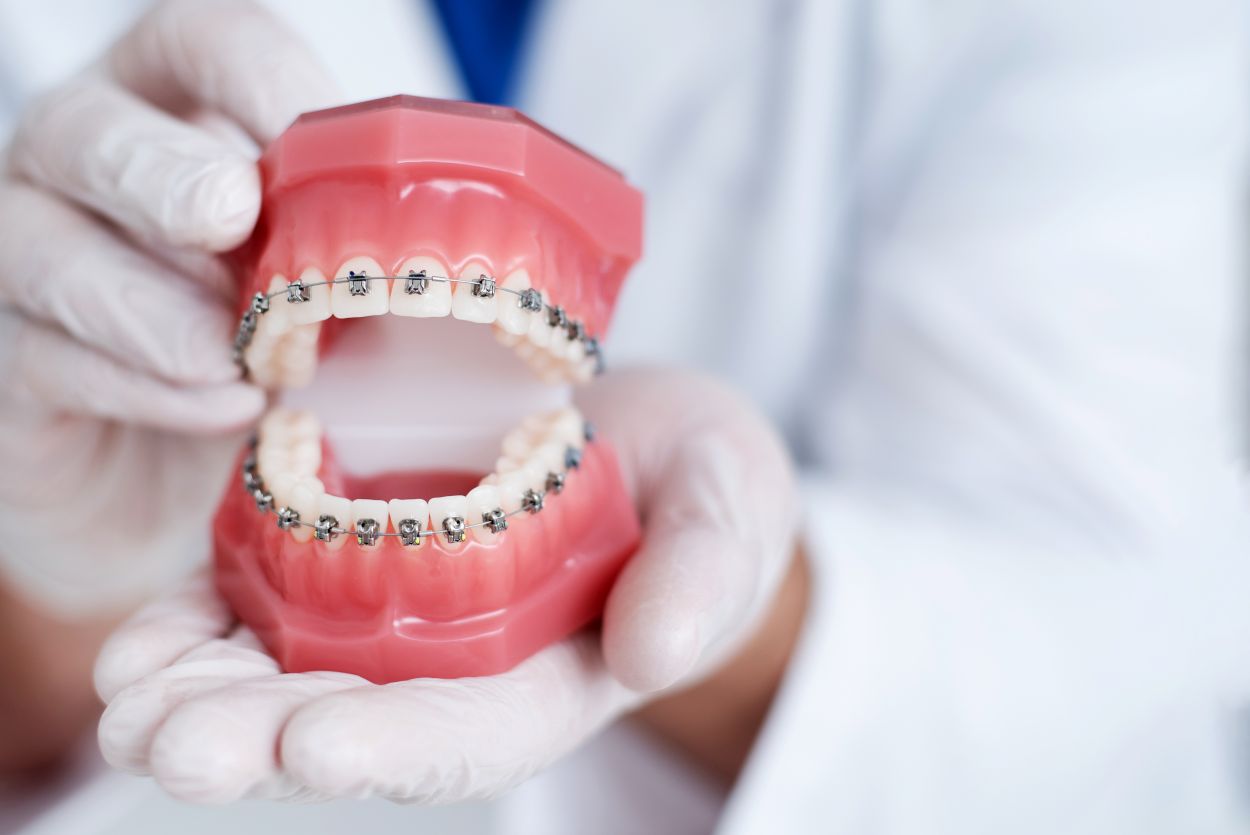
You’ve just started your orthodontic treatment in Montreal and you’re wondering which foods are safe to enjoy. Choosing the right foods helps protect your braces and ensures your treatment goes smoothly.
At Orthodontie Côte-des-Neiges, Dr. Tram-Anh Nguyen explains how to eat comfortably while keeping your treatment on track.
Why adjust your diet when wearing braces?
Orthodontic appliances are strong, but certain foods can still damage them. Hard or sticky foods can break brackets or bend wires.
If you wear aligners, eating without removing them can stain or warp them.
Food particles that get trapped around brackets can also increase the risk of cavities and gum inflammation.
By following the right dietary habits, you protect your appliance and make your treatment easier — and more comfortable.
Foods you should absolutely avoid with braces
Some foods can damage your appliance or even delay your treatment.
Hard and crunchy foods
These can break brackets or bend wires. Avoid nuts, hard candies, ice, and very crusty bread.
Foods you normally bite into, like apples, raw carrots, or corn on the cob, should always be cut into small, manageable pieces.
Sticky foods
Caramel, chewing gum, and gummy candies stick to braces and can pull on wires or loosen attachments.
Even with durable Damon technology, it’s best to stay cautious.
Sugary or acidic foods
Soft drinks, sour candies, and acidic fruits can weaken your enamel and increase the risk of cavities.
Foods that require strong chewing
Tough meats or raw vegetables can be uncomfortable, especially right after an adjustment.
For patients with aligners:
Always remove your aligners before eating and brush your teeth before putting them back in.
What foods are safe and comfortable during treatment?
Starting orthodontic treatment — whether for a child, teen, or adult — doesn’t mean giving up mealtime enjoyment. Many delicious options are still on the menu.
Soft foods are your best friend:
- pasta, rice, eggs, fish
- cooked vegetables, soups, smoothies
- soft fruits like bananas and berries
For protein, choose tender meats and well-cooked legumes.
Shredded chicken, tofu, and fish are all excellent, nutritious choices that are gentle on your braces.
Adjusting during the first days after getting braces
The first 48 hours are often the most sensitive. Your mouth is adapting, and some temporary soreness is normal.
During this time, choose very soft foods:
- purées, yogurts, applesauce
- warm soups to comfort and nourish you
Avoid very hot or very cold foods, which can increase sensitivity.
At our clinic near Côte-des-Neiges metro, every patient receives a personalized guide. Dr. Nguyen tailors her recommendations to your appliance and your level of sensitivity.
Practical tips for excellent oral hygiene
Good oral hygiene is essential during orthodontic treatment.
- brush after every meal with a brace-friendly toothbrush
- use orthodontic floss or floss threaders
- rinse with a fluoride mouthwash to protect your enamel
If your appliance causes irritation, apply orthodontic wax to the area.
If a bracket comes loose or a wire pokes your cheek, contact our Côte-des-Neiges clinic for an emergency appointment.
Your smile deserves the best care
Adjusting your diet during orthodontic treatment may require a few changes, but they make a big difference. These temporary habits help ensure a beautiful, lasting result — and your dedication plays a key role.
Dr. Nguyen and her team are here to support you every step of the way. We’re happy to answer all your questions about eating well and caring for your appliance.
Our clinic combines advanced technology with a warm, personalized approach.
Thinking about orthodontic treatment or unsure about your current diet?
Contact us today. Book your appointment online or call our clinic near Côte-des-Neiges metro.