
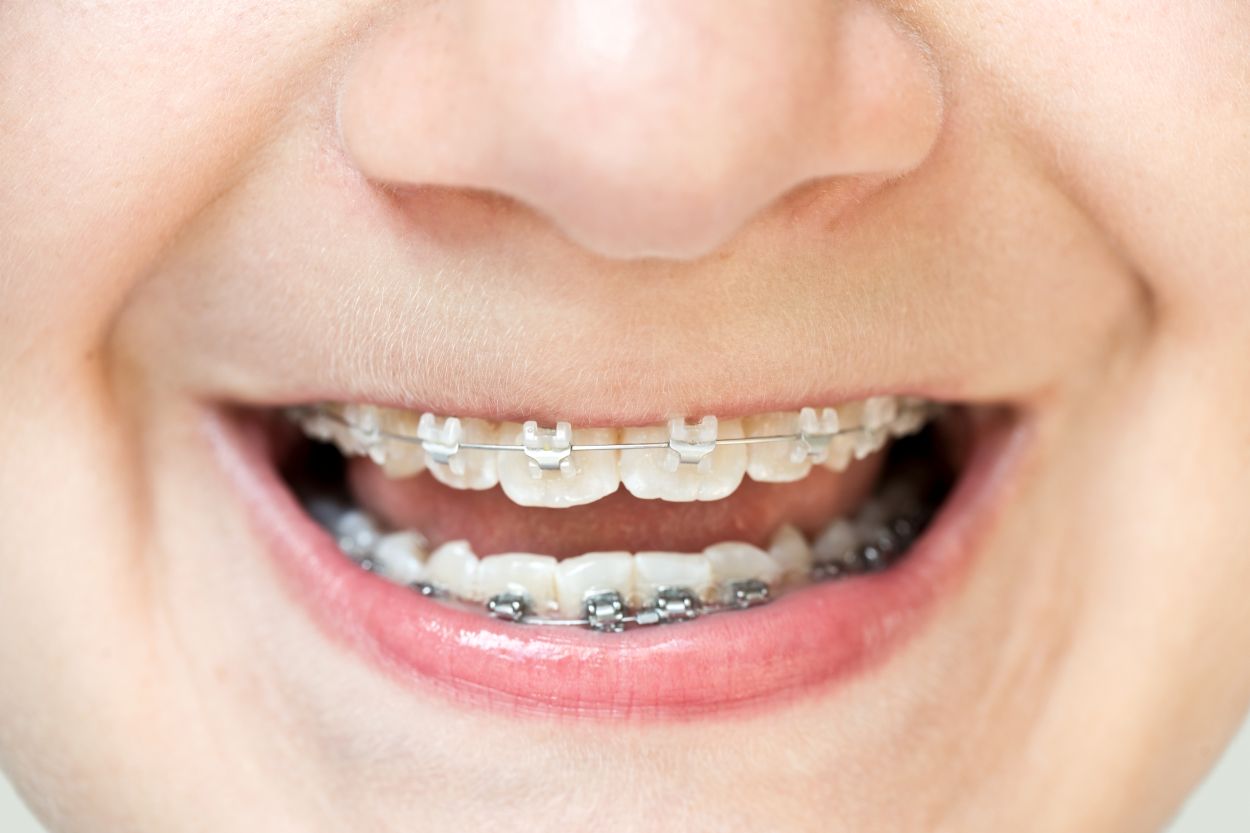
As a parent, you observe your child every day. And sometimes something catches your eye: their teeth seem crowded, they struggle to bite into an apple, or their face looks asymmetrical. These observations aren’t trivial. They may be early signals of an orthodontic issue that, when caught early, is far easier to treat. Here are the 5 signs you shouldn’t ignore.
The essentials in 30 seconds
- The American Association of Orthodontists recommends a first evaluation as early as age 7.
- Some issues are much simpler (and less expensive) to correct during growth.
- You don’t need a dentist referral to consult an orthodontist.
A preventive consultation doesn’t mean your child will start treatment right away
Why age 7 is the key milestone: the science of growth
By age 7, your child typically has their first permanent molars in place, along with a few permanent incisors. This is the ideal window for an orthodontist to assess jaw growth trajectories and identify problems that aren’t yet visible to the naked eye.
At this age, facial bones are still actively growing. This means an orthodontist can use palate expanders or growth guidance appliances to direct development — interventions that are impossible once growth is complete, around ages 16–18. Acting early means working with nature rather than against it.
A first consultation at 7 doesn’t necessarily lead to immediate treatment. In 70% of cases, the orthodontist concludes that simple periodic monitoring is sufficient. But in the other 30%, early intervention can simplify — or even eliminate — the need for full treatment later.
| # | What you observe | Why consult? |
|---|---|---|
| 1 | Baby teeth still present after age 12 | May block permanent tooth eruption |
| 2 | Visible crowding or overlapping teeth | Easier to correct before growth ends |
| 3 | Misaligned jaws — overbite or underbite | Correctable without surgery if treated early |
| 4 | Mouth breathing or frequent snoring | May signal a palate development issue |
| 5 | Difficulty chewing or jaw pain | May indicate an occlusal imbalance |
The 5 signs explained in detail
Sign 1: Baby teeth still present after age 12
Each baby tooth has its own shedding timeline. If a baby tooth persists while the permanent tooth is ready to erupt, it can push the incoming tooth off course. An orthodontist can identify this blockage and recommend a preventive extraction before the problem compounds.
Sign 2: Visible crowding or overlapping
Overlapping teeth may seem purely cosmetic, but they carry functional implications: hard-to-clean zones (cavity risk), stress on the gums, and chewing difficulties. Treated during growth, moderate crowding can often be corrected with a removable appliance.
Sign 3: Misaligned jaws
A significant overbite where upper teeth cover the lower ones extensively, or an underbite where the lower jaw protrudes, are important signals. Corrected at ages 8–10 with functional appliances, these situations can sometimes prevent surgical intervention in adulthood.
Sign 4: Mouth breathing or snoring
If your child consistently breathes through their mouth, snores at night, or tends to keep their mouth open at rest, this may indicate a narrow palate restricting nasal airways. A palate expander can address this in a few months, improving both breathing and facial development.
Sign 5: Difficulty chewing or jaw pain
If your child avoids certain foods, complains of jaw pain, or you notice clicking during jaw movements, don’t wait. These symptoms can indicate an occlusal imbalance that, left untreated, may develop into chronic jaw pain (TMJ disorders).
Montreal: why act now and not ‘later’?
Wait times at pediatric orthodontic clinics in Montreal can stretch several months. If your child is 7, 8 or 9 years old and you recognize any of these signs, it’s better to schedule a preventive consultation now rather than in a crisis two years from now.
Additionally, interceptive treatments (Phase 1) are generally shorter, less invasive, and less expensive than full treatments in adolescence. Investing early often means saving in the long run — and giving your child harmonious facial development from the start.
At Orthodontie CDN, our certified orthodontists welcome children as young as 7 for free preventive consultations. Our approach: observe, inform, and only intervene when it’s truly necessary. Because your family’s trust is built one consultation at a time.
Frequently asked questions
My child is 7 but the dentist hasn’t said anything — should I still consult?
Yes, you can consult an orthodontist directly, without a referral. General dentists play an essential role, but orthodontics is a distinct specialty. A preventive orthodontic evaluation complements what your dentist does, without replacing it.
Does early treatment mean a second treatment in adolescence?
Not necessarily. In some cases, a well-executed interceptive treatment resolves the issue permanently. In others, it simplifies and shortens any subsequent full treatment. Your orthodontist will clearly explain the possible scenarios at the consultation.
My child is afraid of the dentist — what does an orthodontic consultation involve?
An orthodontic consultation is non-invasive. It consists of a visual exam, a 3D scan (no radiation, fast and painless), and a discussion with parents. No needles, no drills. Most children leave feeling relaxed — and sometimes even excited about the idea of getting an appliance!
Your child deserves the best start
Have you recognized any of these 5 signs? Don’t put off this consultation. A preventive appointment today can make a significant difference in your child’s development — functionally, aesthetically, and even emotionally (self-confidence starts with a confident smile). Contact Orthodontie CDN in Montreal !